Key Takeaways
Most vacation rental PMS comparisons fail because they ignore who the software is built for, not because the features are wrong.
Meaningful PMS comparisons start with operator segmentation, not “best PMS” rankings.
A PMS is operational infrastructure, not a commodity. Choosing the wrong one creates issues as your business grows.
The right PMS is the one that fits your current situation and future growth, not the most visible name in search results.
Comparing products and tools for the short-term rental industry is something that all property managers and owners do, and should do from time to time.
If you search for a vacation rental PMS comparison, you’ll find many “best PMS” lists, feature grids, and tech-stack recommendations.
However, most of these comparisons miss the mark.
The problem isn’t which platforms are mentioned, but rather how PMS software is being compared in the first place.
Explore Avantio’s PMS platform to see the full features we offer your vacation rental business.
Why PMS comparisons can lead to the wrong choice
Most PMS comparison content follows the same formula:
- Long feature checklists
- Star ratings with no context
- “Best PMS” verdicts with generalized conclusions
This works for attracting clicks, but not for helping professionals make strategic decisions.
A vacation rental PMS is not a commodity tool. It’s operational infrastructure.
Comparing platforms without considering “who they are built for” causes misleading outcomes.
As a result, PMS tools designed for small, single-market operations are often recommended to complex, multi-market property managers, leading to a mismatch that causes many vacation rental PMS comparisons to fall short.
The Real Question Isn’t “Which PMS Is Best?”
What you should ask instead is “Which PMS is best for this type of operator?”
Many PMS comparison guides group the market into a single category, not considering different business models.
This is why platforms like Guesty, Hostaway, or Mews are often compared directly with systems designed for very different operational realities.
Discover Operator Segmentation
A useful comparison of vacation rental PMS analysis starts with segmentation, not software names.
Segmentation means comparing PMS platforms based on the type of operator they’re built for, not treating all property managers the same.
Most PMS platforms fall into four operational segments:
Segmentation means comparing PMS platforms based on the type of operator they’re built for, not treating all property managers the same.
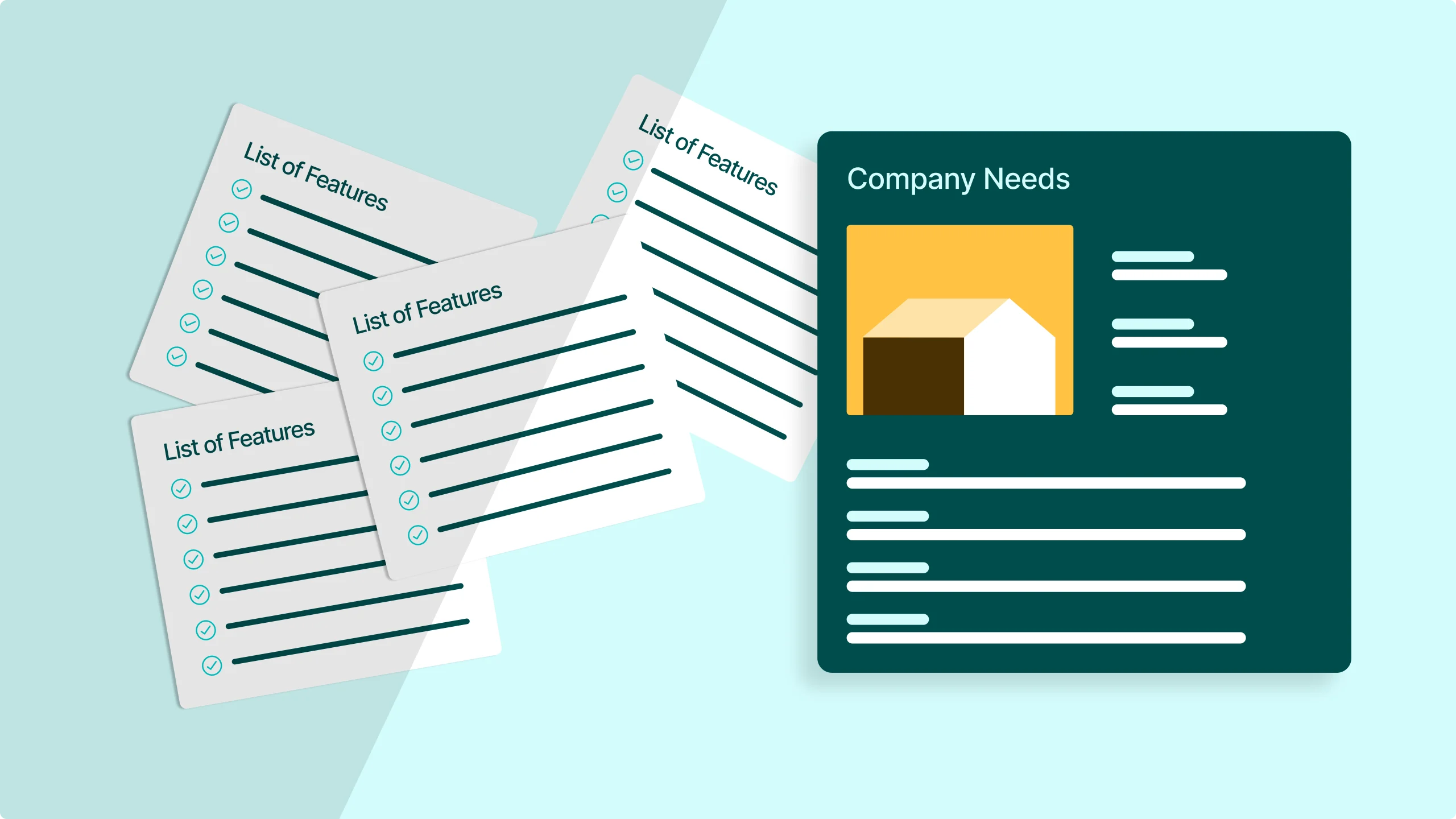
Why feature checklists are misleading
| On comparison pages | What actually matters |
| Channel manager | Can it handle different rules per country or market? |
| Booking engine | Can it be customized by brand or property type? |
| Automated messaging | Are automations flexible or fixed once set up? |
| Reporting | Can reports scale across teams, markets, and owners? |
Most PMS platforms have the same features, but only some are built to handle complexity at scale.
Those differences are what determine whether a PMS supports growth or becomes a limitation.
Did you know?
There’s a “Best PMS” bias in search results?
Search engines often promote the most visible PMS platforms, not the most suitable ones.
This usually happens because they dominate affiliate content and reviews, which affect search results, AI answers, and industry recommendations.
What a PMS comparison guide should focus on
A meaningful PMS comparison guide should prioritize operational fit over popularity.
Operational complexity
- Can the PMS handle different workflows per market?
- Does it support multiple brands or legal entities?
Scalability
- How does performance change at 200+ properties?
- Are automations flexible or rigid?
Integration depth
- Are integrations native or API-based add-ons?
- How much customization is required to connect core tools?
Data & control
- Who owns the data?
- How accessible are reporting and exports?
Long-term cost structure
- Transparent pricing vs. per-feature upsells
- Cost predictability as portfolios grow



Looking for a PMS that scales with your business?
Avantio is designed for professional property managers running mid-to-large, multi-market portfolios who need flexibility, control, and the ability to manage complex operations, especially at an international level.
Schedule a call
Core PMS features (most platforms) |
Scale-ready capabilities (Avantio) |
| Centralized booking management | Multi-market booking rules and controls |
| Basic channel manager | Advanced OTA syncing across regions and brands |
| Standard automated messages | Custom workflows by market, team, or property type |
| Unified inbox | Role-based communication for teams and owners |
| Owner reporting | Automated, multi-portfolio owner statements |
| Single calendar view | Real-time multi-calendar management at scale |
| Basic housekeeping tracking | Operational task management across teams |
| Fixed pricing tools | Dynamic pricing and revenue optimization |
| Simple booking website | Branded, scalable direct booking websites |
| Payment processing | Automated, multi-currency payment handling |
| English-only support | Multi-language, international-ready platform |
Most PMS tools cover the basics. Avantio focuses on the capabilities that become critical as portfolios grow, operations expand across markets, and complexity increases.
Rethinking PMS comparisons
The PMS comparison everyone gets wrong is the one that ignores context.
Instead of asking which platform is “better,” a more useful question is “at what stage each PMS stops working well.”
Management software rarely fails because it’s bad; it fails because it’s used outside the segment it was designed for.
For property managers, the most meaningful comparisons go beyond feature checklists and focus on operational reality. Instead, they focus on current complexity, future growth, and the long-term cost of switching systems.
When PMS platforms are evaluated this way, comparisons stop being about generalized best and worst lists and start being useful tools for your properties.
FAQS
What is a vacation rental PMS?
A vacation rental PMS (Property Management System) is software that centralizes bookings, channels, guest communication, operations, reporting, and payments for short-term rental businesses.
Why are most vacation rental PMS comparison articles misleading?
Because they compare platforms as if all property managers have the same needs. In reality, PMS tools are built for different portfolio sizes, markets, and levels of operational complexity.
What does “operator segmentation” mean in PMS comparisons?
It means evaluating PMS platforms based on the type of operator they are designed for, rather than ranking all tools together.
Why isn’t having the “same features” enough?
Most PMS platforms offer similar features, but only some handle complexity at scale. The difference is how flexible, configurable, and scalable those features are as portfolios grow.
When should a property manager switch PMS platforms?
When growth introduces complexity that the current PMS can’t support, such as multiple markets, larger teams, advanced workflows, or international operations. Switching later is often more costly than choosing a scalable system early.
Who is Avantio best suited for?
Avantio is designed for professional property managers with mid-to-large portfolios, especially those operating across multiple markets or countries who need flexibility, control, and long-term scalability.